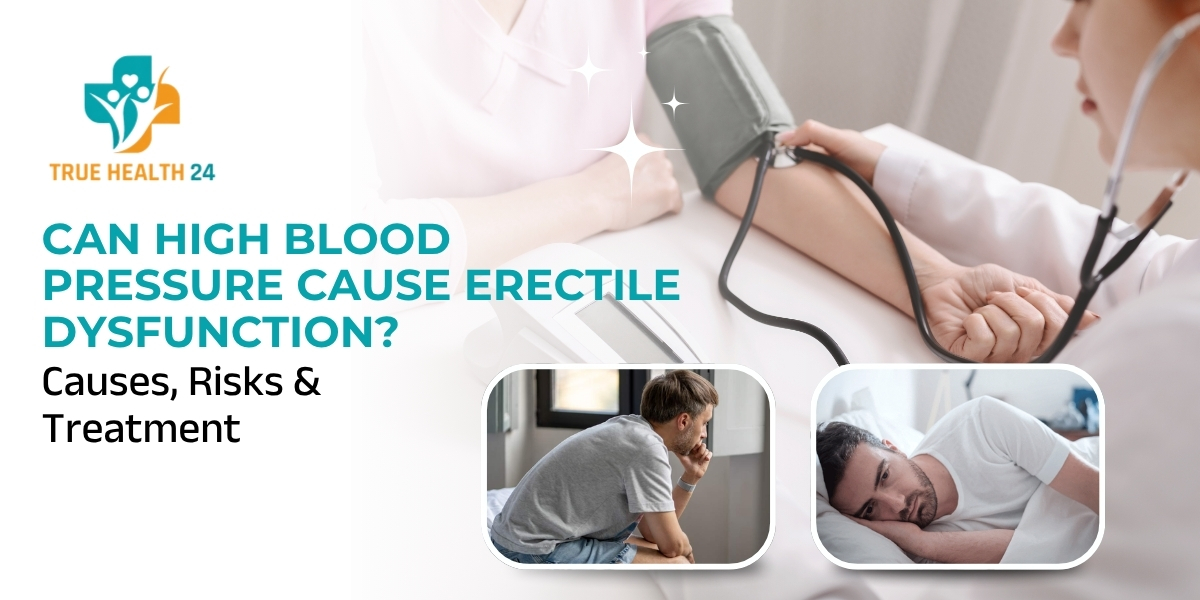
High blood pressure, also known as hypertension, is one of the most common health conditions affecting men worldwide. While many people associate high blood pressure with heart disease and stroke, fewer realize that it may also affect sexual health and erectile function.
Healthy erections depend heavily on proper blood circulation. When blood pressure remains consistently high, it may damage blood vessels and reduce blood flow throughout the body, including the penis. Over time, this may contribute to weak erections, difficulty maintaining erections, or erectile dysfunction (ED).
Many men experience erectile dysfunction symptoms years before developing noticeable cardiovascular complications. In some cases, ED may actually be an early warning sign of vascular or heart-related health problems.
In this guide, we’ll explain:
- The connection between high blood pressure and erectile dysfunction
- How hypertension affects blood circulation
- Symptoms of ED linked to hypertension
- Blood pressure medications and sexual side effects
- Lifestyle changes that may help
- Erectile dysfunction treatment options
What Is High Blood Pressure?
Blood pressure measures the force of blood pushing against artery walls.
When blood pressure stays too high for long periods, it may damage:
- Blood vessels
- Arteries
- Heart function
- Circulation
Hypertension often develops gradually and may not cause obvious symptoms initially, which is why it is often called a “silent condition.”
Can High Blood Pressure Cause Erectile Dysfunction?
Yes. High blood pressure may contribute to erectile dysfunction by damaging blood vessels and restricting healthy blood flow to the penis.
Strong erections require:
- Healthy arteries
- Flexible blood vessels
- Proper blood circulation
- Healthy nerve function
When arteries become stiff or narrowed due to hypertension, blood flow may decrease, making erections weaker or more difficult to maintain.
According to University of Utah Health, high blood pressure may damage blood vessels and reduce blood flow needed for healthy erectile function.
How Erections Depend on Blood Flow
Erections occur when increased blood flow fills tissues inside the penis.
During sexual arousal:
- Brain signals trigger blood vessel relaxation
- Blood flow rapidly increases
- Penile tissues expand
- Blood becomes trapped to maintain firmness
If circulation is impaired, erections may become:
- Weak
- Softer
- Short-lasting
- Difficult to maintain
Why High Blood Pressure Affects Erections
Hypertension may affect erections in several ways.
1. Damage to Blood Vessels
High blood pressure may damage artery walls over time, reducing their flexibility and narrowing blood flow pathways.
This may decrease circulation to the penis.
2. Reduced Nitric Oxide Production
Nitric oxide helps relax blood vessels and improve circulation during erections.
Hypertension may reduce nitric oxide function, making erections more difficult.
3. Poor Cardiovascular Health
The penis relies on healthy cardiovascular function.
Conditions linked to hypertension may include:
- Atherosclerosis
- Heart disease
- High cholesterol
- Obesity
These conditions may also increase erectile dysfunction risk.
Symptoms of Erectile Dysfunction Caused by High Blood Pressure
Men with hypertension-related ED may experience:
- Difficulty getting erections
- Weak erections
- Difficulty maintaining erections
- Reduced erection firmness
- Lower sexual confidence
- Reduced libido
Symptoms may develop gradually over time.
Can Blood Pressure Medication Cause Erectile Dysfunction?
Some blood pressure medications may contribute to erectile dysfunction in certain men.
Possible medications associated with ED may include:
- Certain beta blockers
- Some diuretics
- Older blood pressure medications
However, not all blood pressure medicines affect erections negatively.
Some newer medications may have fewer sexual side effects.
Men should never stop taking blood pressure medication without consulting a doctor.
According to Blood Pressure UK, erectile dysfunction may sometimes occur as a side effect of blood pressure treatment or due to the effects of hypertension itself.
Other Health Conditions Linked to High Blood Pressure and ED
Several conditions commonly occur alongside hypertension and may further increase ED risk.
Diabetes
Diabetes may damage blood vessels and nerves involved in erections.
Obesity
Obesity increases the risk of:
- Hypertension
- Poor circulation
- Low testosterone
- Erectile dysfunction
High Cholesterol
High cholesterol may contribute to plaque buildup inside arteries, restricting blood flow.
Stress and Anxiety
Stress may temporarily raise blood pressure and worsen erection problems.
Lifestyle Changes That May Help Improve Erectile Function
Improving cardiovascular health may help support better erections naturally.
Exercise Regularly
Exercise may:
- Improve blood circulation
- Support heart health
- Improve nitric oxide production
- Reduce blood pressure
Walking, cycling, swimming, and strength training may help improve erectile health.
Maintain a Healthy Weight
Weight loss may improve:
- Blood pressure
- Testosterone levels
- Circulation
- Erectile function
Eat a Heart-Healthy Diet
Healthy foods may support vascular function and blood flow.
Foods beneficial for circulation may include:
- Fruits
- Vegetables
- Whole grains
- Nuts
- Olive oil
- Fatty fish
Reduce Smoking and Alcohol
Smoking damages blood vessels and circulation.
Excessive alcohol may also worsen erectile dysfunction symptoms.
Manage Stress and Sleep
Poor sleep and chronic stress may worsen hypertension and sexual performance.
Meditation, yoga, and stress management techniques may help improve overall wellness.
Medical Treatments for Erectile Dysfunction
Men with persistent erectile dysfunction may require medical treatment.
Common ED treatment options may include:
- Lifestyle changes
- Blood pressure management
- Counseling
- Testosterone evaluation
- Erectile dysfunction medications
PDE5 inhibitors help improve blood flow to the penis and are commonly prescribed for ED treatment.
These medications may include:
- Sildenafil
- Tadalafil
- Vardenafil
Popular ED medications may include:
- Cenforce
- Vidalista
- Fildena
However, men with cardiovascular conditions should always consult healthcare professionals before using ED medications.
Can Erectile Dysfunction Improve if Blood Pressure Is Controlled?
In some men, erectile function may improve after:
- Better blood pressure control
- Weight loss
- Exercise
- Healthier diet
- Stress reduction
- Smoking cessation
Treating underlying cardiovascular conditions may also help improve blood circulation and erection quality.
When Should You See a Doctor?
Men should seek medical advice if they experience:
- Persistent erection problems
- Sudden erectile dysfunction
- Chest pain
- High blood pressure symptoms
- Reduced libido
- Poor circulation symptoms
Because erectile dysfunction may sometimes signal cardiovascular disease, medical evaluation is important.
Conclusion
High blood pressure may contribute to erectile dysfunction by damaging blood vessels, reducing nitric oxide function, and impairing healthy blood circulation. Since erections rely heavily on proper blood flow, hypertension may lead to weak erections, difficulty maintaining erections, or reduced sexual performance over time.
Conditions such as obesity, diabetes, high cholesterol, smoking, stress, and poor lifestyle habits may further increase the risk of erectile dysfunction in men with hypertension. Fortunately, lifestyle improvements such as exercise, healthy eating, stress management, weight loss, and quitting smoking may help support better cardiovascular and erectile health.