Erectile dysfunction (ED) is one of the most common sexual health conditions affecting men worldwide. While occasional erection problems may happen due to stress, fatigue, or anxiety, persistent erectile dysfunction symptoms may indicate underlying physical or psychological health concerns.
Many men ignore the early signs of erectile dysfunction because symptoms often develop gradually. However, recognizing ED symptoms early may help identify underlying causes such as poor blood circulation, diabetes, hormonal imbalance, cardiovascular disease, stress, or anxiety.
Understanding the warning signs of erectile dysfunction may help men seek timely treatment and improve sexual health, confidence, and overall quality of life.
In this guide, we’ll cover:
- Common erectile dysfunction symptoms
- Early warning signs of ED
- Rare ED symptoms
- Physical and psychological symptoms
- Symptoms linked to medical conditions
- When to seek treatment
- Available erectile dysfunction treatment options
What Is Erectile Dysfunction?
Erectile dysfunction is the inability to achieve or maintain an erection firm enough for satisfactory sexual activity.
ED may occur occasionally, but persistent erection problems may indicate:
- Poor blood circulation
- Nerve dysfunction
- Hormonal imbalance
- Psychological stress
- Cardiovascular disease
Common Erectile Dysfunction Symptoms
The symptoms of erectile dysfunction may vary depending on the underlying cause and severity of the condition.
The most common symptoms include:
Difficulty Getting an Erection
One of the earliest and most noticeable symptoms is difficulty achieving an erection during sexual activity.
This may happen occasionally at first but may gradually become more frequent over time.
Difficulty Maintaining an Erection
Some men may achieve erections initially but lose firmness before or during intercourse.
This may indicate:
- Reduced blood flow
- Anxiety
- Nerve issues
- Hormonal imbalance
Weak or Soft Erections
Weak erections may feel less firm than normal and may not last long enough for sexual activity.
Reduced erection quality may be associated with:
- Poor circulation
- Fatigue
- Stress
- Smoking
- Diabetes
Reduced Sexual Desire
Many men with erectile dysfunction may also experience low libido or reduced interest in sexual activity.
Low sexual desire may be linked to:
- Low testosterone
- Stress
- Depression
- Relationship issues
- Poor sleep
Early Signs of Erectile Dysfunction
ED often develops gradually. Recognizing early warning signs may help men seek treatment before symptoms worsen.
Fewer Morning Erections
Healthy men commonly experience nocturnal or morning erections.
A noticeable decrease in morning erections may indicate:
- Circulation problems
- Hormonal imbalance
- Early erectile dysfunction
Reduced Erection Firmness
Erections that feel softer or less reliable than usual may be an early symptom of erectile dysfunction.
Delayed Sexual Arousal
Men may notice it takes longer to become sexually aroused or achieve an erection.
This may occur due to:
- Stress
- Anxiety
- Fatigue
- Reduced libido
Performance Anxiety During Sex
Some men begin worrying excessively about sexual performance after occasional erection difficulties.
This anxiety may worsen ED symptoms and create a cycle of stress and erection problems.
Rare Erectile Dysfunction Symptoms
Some men may experience less common or more serious symptoms associated with erectile dysfunction.
Sudden Erectile Dysfunction
Sudden ED may occur unexpectedly and may be linked to:
- Severe stress
- Anxiety
- Medication side effects
- Underlying health conditions
Painful Erections
Pain during erections may indicate:
- Peyronie’s disease
- Injury
- Inflammation
- Infection
Persistent painful erections should be medically evaluated.
Curved Erections
Significant penile curvature may interfere with sexual activity and may be associated with scar tissue formation.
Ejaculation Problems
Some men with erectile dysfunction may also experience:
- Delayed ejaculation
- Premature ejaculation
- Reduced semen volume
Physical Health Conditions Linked to ED Symptoms
Erectile dysfunction is often connected to underlying medical conditions.
Diabetes and Erectile Dysfunction
High blood sugar may damage:
- Blood vessels
- Nerves
- Circulation
This may contribute to erection problems.
High Blood Pressure
High blood pressure may damage arteries and reduce blood flow to the penis.
Obesity and Erectile Dysfunction
Obesity may increase the risk of:
- Diabetes
- Cardiovascular disease
- Low testosterone
- Erectile dysfunction
Low Testosterone Symptoms
Low testosterone may contribute to:
- Reduced libido
- Fatigue
- Weak erections
- Mood changes
Psychological Symptoms of Erectile Dysfunction
Mental health strongly affects sexual performance.
Psychological symptoms associated with ED may include:
- Anxiety
- Depression
- Fear of sexual failure
- Low confidence
- Stress-related erection problems
Psychological erectile dysfunction is particularly common among younger men.
Lifestyle Factors That May Worsen ED Symptoms
Several unhealthy lifestyle habits may increase erectile dysfunction risk.
These include:
- Smoking
- Excessive alcohol use
- Drug use
- Poor sleep
- Sedentary lifestyle
Improving lifestyle habits may help support erectile health naturally.
When Should You See a Doctor?
Men should seek medical advice if:
- Erectile dysfunction becomes persistent
- Symptoms worsen over time
- Morning erections decrease significantly
- Libido drops suddenly
- Sexual performance issues affect confidence or relationships
Erectile dysfunction may sometimes be an early warning sign of cardiovascular disease or diabetes.
According to NIDDK, erectile dysfunction may develop due to physical or psychological causes and may sometimes indicate underlying health conditions affecting blood flow or nerve function.
Diagnosis of Erectile Dysfunction
Doctors may evaluate ED symptoms through:
- Medical history
- Physical examination
- Blood tests
- Hormone testing
- Blood pressure evaluation
- Psychological assessment
Identifying the underlying cause is important for choosing the most effective treatment.
According to Urology Care Foundation, erectile dysfunction may result from vascular, neurological, hormonal, psychological, or lifestyle-related factors.
Treatment Options for Erectile Dysfunction Symptoms
Treatment depends on the severity and underlying cause of ED.
Common treatment options may include:
- Lifestyle changes
- Exercise
- Stress management
- Counseling
- Testosterone therapy
- Erectile dysfunction medications
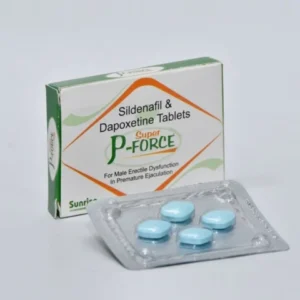
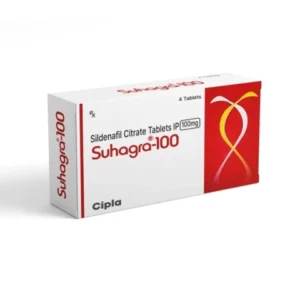
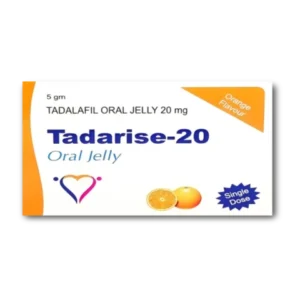
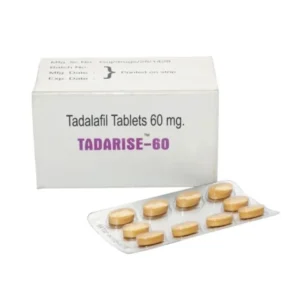
PDE5 inhibitors are commonly used ED medications that may help improve blood flow to the penis.
These may include:
- Sildenafil
- Tadalafil
- Vardenafil
Popular erectile dysfunction products may include:
- Cenforce
- Fildena
- Vidalista
Can Erectile Dysfunction Symptoms Improve Naturally?
In some men, erectile dysfunction symptoms may improve through:
- Exercise
- Weight loss
- Better sleep
- Healthy eating
- Reduced smoking
- Limiting alcohol
- Stress reduction
Lifestyle changes may support better blood circulation, hormonal health, and overall sexual wellness.
Conclusion
Erectile dysfunction symptoms may range from occasional weak erections to persistent difficulty achieving or maintaining erections. Early signs such as fewer morning erections, softer erections, reduced libido, and delayed arousal may indicate developing erectile dysfunction.
ED may occur due to poor blood circulation, diabetes, obesity, stress, anxiety, hormonal imbalance, smoking, alcohol use, or cardiovascular disease. Recognizing symptoms early may help men seek appropriate treatment and improve long-term sexual health.