Obesity affects much more than physical appearance and body weight. Excess weight may also impact blood circulation, hormone balance, cardiovascular health, energy levels, libido, and sexual performance. One health issue increasingly linked to obesity is erectile dysfunction (ED).
Erectile dysfunction is the inability to achieve or maintain an erection firm enough for sexual activity. While ED may develop due to aging, stress, diabetes, or cardiovascular disease, obesity is now considered one of the major contributing risk factors.
Excess body fat may affect erections through several mechanisms, including:
- Poor blood circulation
- Reduced testosterone levels
- Inflammation
- High blood pressure
- Diabetes
- Psychological stress
- Reduced self-confidence
The good news is that lifestyle improvements and weight management may help improve erectile function and overall sexual health in many men.
What Is Obesity?
Obesity is a medical condition involving excessive body fat accumulation that may negatively affect health.
Doctors commonly use Body Mass Index (BMI) to classify obesity:
- BMI over 25 = overweight
- BMI over 30 = obesity
Obesity may increase the risk of:
- Diabetes
- High blood pressure
- Heart disease
- Hormonal imbalance
- Sleep apnea
- Erectile dysfunction
Can Obesity Cause Erectile Dysfunction?
Yes. Obesity may significantly increase the risk of erectile dysfunction.
Excess body fat may interfere with:
- Blood vessel health
- Testosterone production
- Blood circulation
- Nerve function
- Sexual confidence
According to research published in Frontiers in Endocrinology, obesity is strongly associated with erectile dysfunction and testosterone deficiency, both of which may negatively affect male sexual health.
How Obesity Affects Erections
Healthy erections depend heavily on:
- Proper blood circulation
- Healthy blood vessels
- Nerve function
- Hormonal balance
- Mental well-being
Obesity may negatively affect several of these systems at the same time.
Poor Blood Circulation and Erectile Dysfunction
One of the most important causes of obesity-related ED is impaired blood circulation.
Excess weight may damage blood vessels and reduce blood flow to the penis.
Erections require:
- Relaxation of blood vessels
- Increased penile blood flow
- Healthy vascular function
Obesity may contribute to endothelial dysfunction, a condition where blood vessels cannot dilate properly.
Research published in ScienceDirect explains that endothelial dysfunction and vascular problems play a central role in the connection between obesity and erectile dysfunction.
Obesity and Low Testosterone
Obesity may also reduce testosterone levels.
Fat tissue may affect hormone balance by:
- Increasing estrogen conversion
- Reducing testosterone production
- Affecting hormonal signaling
Low testosterone may contribute to:
- Reduced libido
- Fatigue
- Low energy
- Erectile dysfunction
- Reduced sexual confidence
Research from the International Journal of Impotence Research found strong associations between obesity, low testosterone levels, and erectile dysfunction.
Inflammation and Erectile Dysfunction
Obesity is linked to chronic inflammation in the body.
Inflammation may damage:
- Blood vessels
- Hormonal pathways
- Cardiovascular health
- Nitric oxide production
Nitric oxide is essential for healthy erections because it helps blood vessels relax and improve blood flow.
Obesity, Diabetes, and ED
Obesity significantly increases the risk of type 2 diabetes, which is one of the leading causes of erectile dysfunction.
Diabetes may damage:
- Blood vessels
- Nerves
- Hormone balance
- Circulation
Men with obesity and diabetes may experience a higher risk of persistent erectile dysfunction.
According to a review published in ScienceDirect, erectile dysfunction is highly prevalent in men with obesity and diabetes because of vascular dysfunction and hormonal changes.
High Blood Pressure and Erectile Problems
Obesity may also increase blood pressure levels.
High blood pressure may damage arteries and reduce blood flow needed for erections.
Obesity and Mental Health
Excess weight may also affect emotional and psychological well-being.
Some men may experience:
- Low self-esteem
- Anxiety
- Depression
- Body image concerns
- Reduced sexual confidence
Mental health challenges may contribute to psychological erectile dysfunction.
Can Weight Loss Improve Erectile Dysfunction?
In many cases, yes.
Weight loss may help improve:
- Blood circulation
- Testosterone levels
- Cardiovascular health
- Energy
- Libido
- Sexual confidence
Even modest weight loss may support better erectile function.
Research published in Frontiers in Endocrinology suggests that reducing body weight may improve hormonal balance, erectile function, and reproductive health in men with obesity.
Exercise and Erectile Health
Exercise is one of the most effective natural ways to improve both overall health and erectile function.
Regular physical activity may:
- Improve circulation
- Support heart health
- Reduce inflammation
- Increase testosterone
- Improve confidence
- Help with weight management
Healthy Diet and Sexual Wellness
Diet plays an important role in weight management and erectile health.
A healthy diet may support:
- Better circulation
- Blood sugar control
- Hormone balance
- Cardiovascular health
Helpful foods may include:
- Vegetables
- Fruits
- Whole grains
- Lean proteins
- Healthy fats
- Nuts and seeds
Sleep and Obesity-Related ED
Poor sleep and sleep apnea are common among men with obesity.
Sleep problems may negatively affect:
- Testosterone production
- Energy levels
- Mood
- Libido
- Erectile function
Improving sleep quality may support better hormonal health and sexual performance.
Smoking, Alcohol, and ED Risk
Smoking and excessive alcohol use may further worsen obesity-related erectile dysfunction.
These habits may damage:
- Blood vessels
- Circulation
- Hormone balance
- Nerve function
When Lifestyle Changes Are Not Enough
Some men may still require medical treatment for erectile dysfunction even after improving lifestyle habits.
Common ED medications may include:
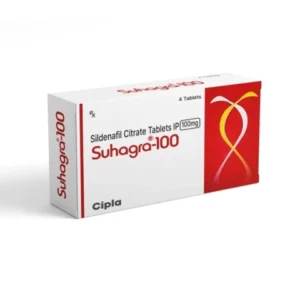
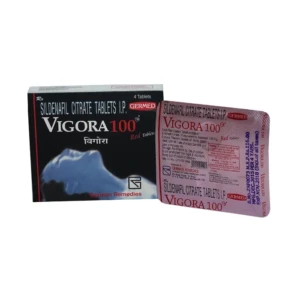
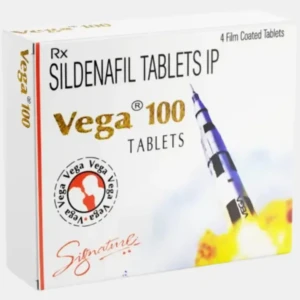
- Sildenafil
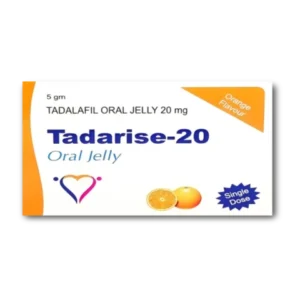
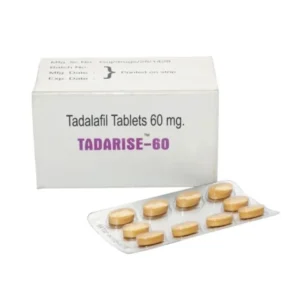
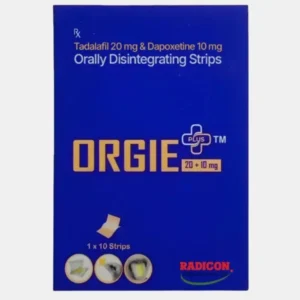
- Tadalafil
- Vardenafil
Popular ED treatment options may include:
- Cenforce
- Vidalista
- Fildena
These medications help improve blood flow to the penis.
Can Obesity-Related ED Be Reversed?
In many cases, erectile function may improve through:
- Weight loss
- Exercise
- Better sleep
- Healthy eating
- Stress reduction
- Blood sugar control
- Cardiovascular care
Early intervention may help prevent long-term vascular damage.
When Should You See a Doctor?
Medical advice is important if erectile dysfunction:
- Persists for several weeks or months
- Occurs frequently
- Is associated with diabetes or obesity
- Causes emotional distress
- Develops suddenly
ED may sometimes be an early warning sign of cardiovascular disease.
Research shows that erectile dysfunction and cardiovascular disease often share risk factors such as obesity, diabetes, and poor vascular health.
Conclusion
Obesity and erectile dysfunction are strongly connected through poor blood circulation, inflammation, hormonal imbalance, diabetes, cardiovascular disease, and psychological stress. Excess weight may reduce testosterone levels, impair blood vessel function, and negatively affect overall sexual wellness.
Fortunately, many men may improve erectile function through healthy lifestyle changes such as exercise, weight management, healthy eating, stress reduction, and better sleep. In cases where ED persists, medications such as Sildenafil, Tadalafil, Cenforce, Vidalista, and Fildena may also help improve erections alongside lifestyle improvements.
For trusted erectile dysfunction medications, men’s wellness products, and sexual health solutions, many men choose a reliable online pharmacy in USA for convenient access to ED treatment and men’s health support.